
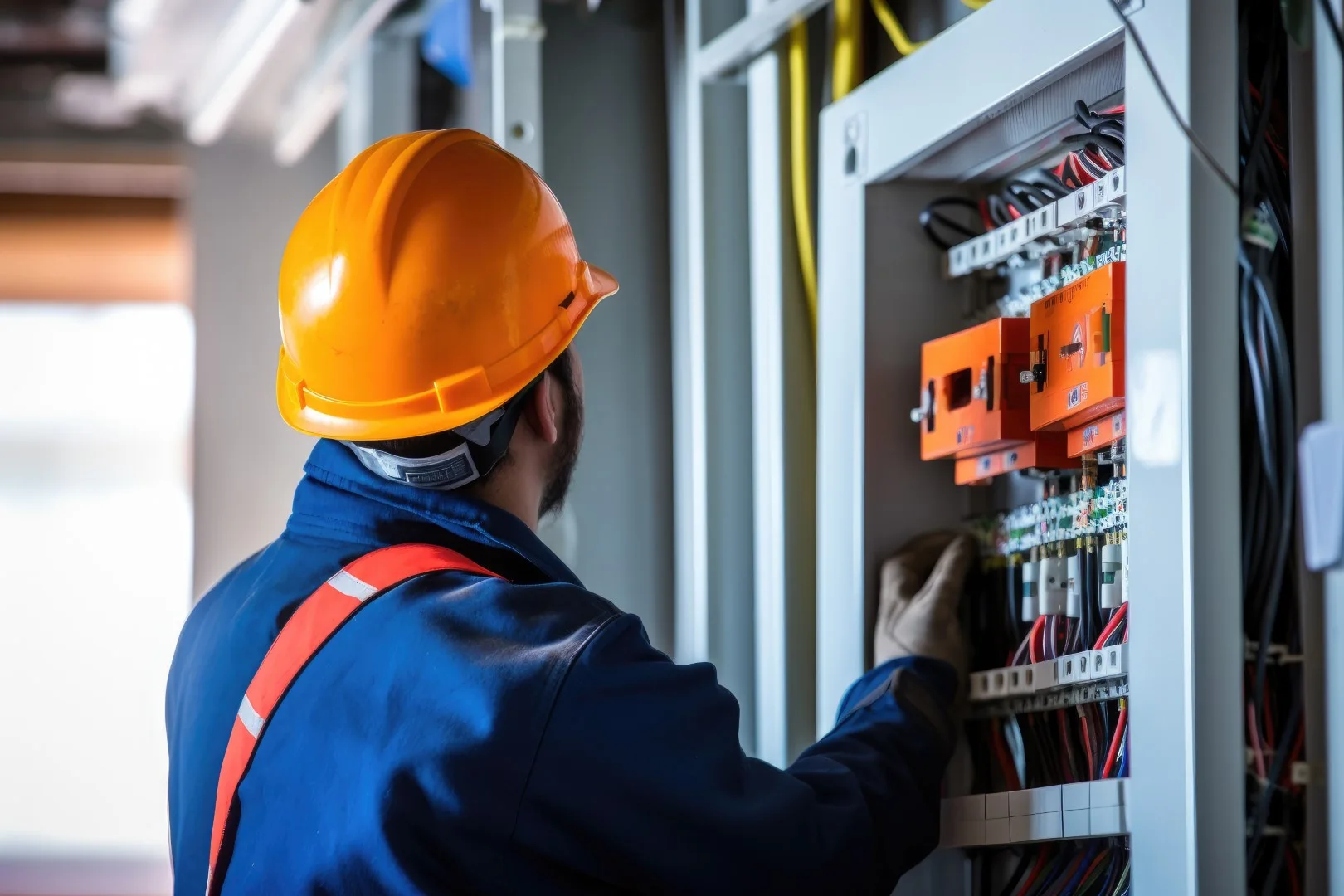
Recognizing warning signs in a home’s electrical system plays a vital role in maintaining safety and reliability. When to replace outdated electrical panel becomes clear through indicators like frequent breaker trips, flickering lights, or panels that have exceeded their intended lifespan. Homeowners should be aware of the risks these issues pose, especially as modern households demand greater electrical capacity. Evaluating whether the existing panel can support today’s appliances and technology is crucial. Understanding the right time for an upgrade helps prevent dangerous electrical failures and ensures a secure, future-ready power system.
Key Takeaways
- Check if your electrical panel is over 25 years old, as this often indicates it may need replacement.
- Look for frequent tripped breakers, which can signal underlying electrical issues requiring attention.
- Inspect for flickering lights, as this may suggest instability in your electrical system.
- Examine the panel for corrosion, as this can compromise safety and functionality.
- Ensure your panel can accommodate at least 200 amps to meet modern electrical demands safely.
Signs Your Electrical Panel Is Outdated
How can homeowners determine if their electrical panel is outdated? Homeowners should first assess the age of their electrical panel, as those over 25 years are often viewed as outdated. Additionally, signs such as frequent tripped breakers, flickering lights, or corrosion can indicate the need for replacement. If the panel is unable to accommodate modern electrical demands—typically 200 amps for most households—it may be time to evaluate an upgrade. Homeowners should also look for outdated technology, such as fuse boxes or panels made by manufacturers with a history of safety concerns. Recognizing these signs is essential in understanding when to replace an outdated electrical panel, ensuring both safety and reliability within the home.
Common Risks of Keeping an Old Electrical Panel
Keeping an old electrical panel poses several significant risks that homeowners should consider. Aging panels may fail to meet the increasing electrical demands of modern households, leading to potential overloads. This can result in tripped breakers or, more dangerously, electrical fires. Additionally, outdated panels often lack essential safety features, such as surge protection, which exposes homes to voltage spikes that can damage appliances. Corrosion and wear over time can compromise connections, increasing the risk of arcing and short circuits. Furthermore, maintaining an old panel can be costly due to frequent repairs. Homeowners should prioritize safety and efficiency by recognizing these risks, as they highlight the importance of knowing when to replace an outdated electrical panel for overall household protection.
How to Assess the Age of Your Electrical Panel
Determining the age of an electrical panel is essential for evaluating its functionality and safety. Homeowners can typically find the manufacturing date on the panel’s label or sticker, often located inside the door or on the side. If the label is missing or illegible, examining the panel’s design and components can provide clues; older panels tend to have outdated materials and configurations. Additionally, consulting the home’s construction records may reveal the installation date. It is important to note that most electrical panels have a lifespan of 25 to 40 years. Understanding when to replace an outdated electrical panel is critical in ensuring the home’s electrical system remains safe and reliable for its residents.
Benefits of Replacing Your Outdated Electrical Panel
Replacing an outdated electrical panel offers numerous advantages that can greatly enhance a home’s safety and efficiency. An updated panel can accommodate modern electrical demands, preventing overloads and potential fire hazards. It also guarantees compliance with current electrical codes, reducing the risk of legal issues and insurance complications. Enhanced circuit capacity allows for the integration of energy-efficient appliances and smart home technology, promoting sustainability. Additionally, newer panels often feature improved safety mechanisms, such as ground fault circuit interrupters (GFCIs) and arc-fault circuit interrupters (AFCIs), which considerably reduce the risk of electrical shocks and fires. Overall, understanding when to replace an outdated electrical panel is essential for homeowners aiming to protect their investment and maintain a secure living environment.
Steps to Take When It’s Time to Replace Your Electrical Panel
How can homeowners guarantee they are taking the right steps when it’s time to replace an outdated electrical panel? First, they should consult a licensed electrician to perform a thorough inspection, identifying any safety hazards or code violations. Next, homeowners must evaluate their electrical needs, considering factors such as increased appliance usage or home expansions. Once a decision is made to proceed with the replacement, obtaining multiple quotes from reputable contractors is essential to confirm competitive pricing and quality service. During installation, homeowners should ask about circuit capacity and future-proofing options. Finally, post-installation, verifying that the new panel meets local regulations and obtaining an inspection certificate will provide assurance of safety and compliance.
Frequently Asked Questions
How Much Does It Cost to Replace an Electrical Panel?
The cost to replace an electrical panel typically ranges from $1,000 to $3,000, depending on factors like panel size, labor, and local codes. Homeowners should consider this investment for safety and efficiency improvements.
Can I Replace My Electrical Panel Myself?
Replacing an electrical panel independently is generally not recommended due to safety and legal concerns. Professionals possess the expertise and necessary permits to guarantee compliance with local codes, minimizing risks associated with improper installation and potential hazards.
How Long Does an Electrical Panel Replacement Take?
An electrical panel replacement typically takes between four to eight hours, depending on the complexity of the system and the specific requirements of the installation. Proper planning guarantees minimal disruption for homeowners during this process.
What Permits Are Required for Electrical Panel Replacement?
Permits for electrical panel replacement typically include a building permit and, in some jurisdictions, an electrical permit. Local regulations may vary, so consulting with municipal authorities guarantees compliance with safety standards and legal requirements.
Will Replacing My Panel Increase My Home’s Value?
Replacing an outdated electrical panel can enhance a home’s value by improving safety, increasing energy efficiency, and meeting modern electrical demands. Homebuyers often prefer properties with updated systems, consequently potentially boosting market appeal and resale value.
Conclusion
In summary, recognizing the signs of an outdated electrical panel is essential for maintaining home safety. With age, frequent tripping, and inadequate capacity posing significant risks, homeowners must remain vigilant. Regular assessments by licensed electricians can provide clarity on the necessity of an upgrade. By prioritizing the replacement of outdated panels, homeowners can mitigate fire hazards and guarantee their electrical systems meet modern demands, ultimately fostering a secure living environment.
You May Also Like To Read: